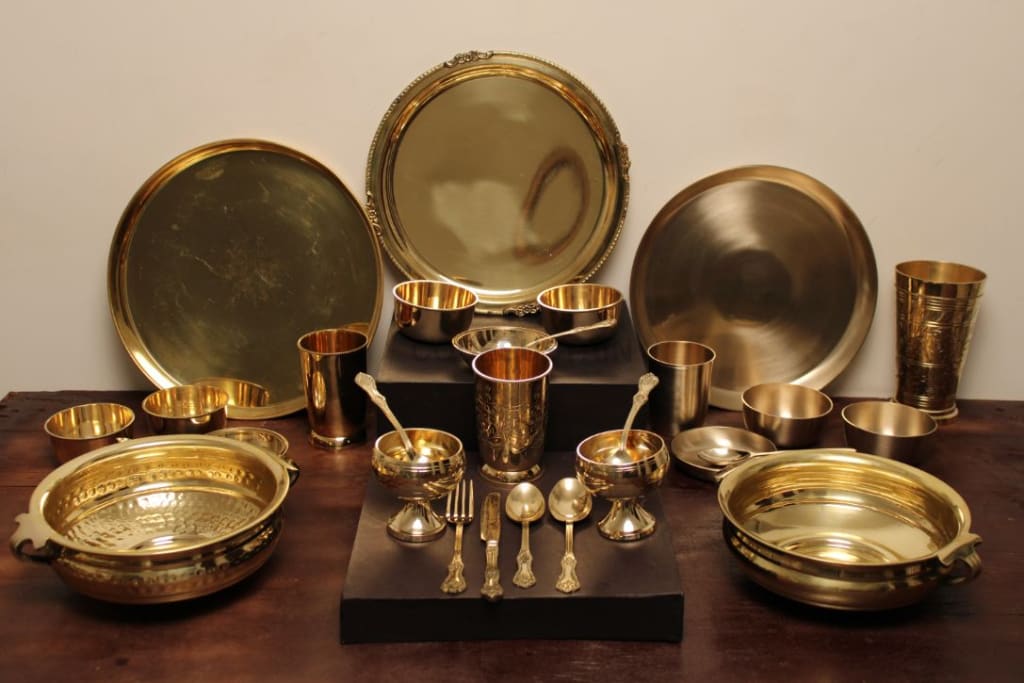
Brass is a versatile metal alloy primarily composed of copper and zinc. Known for its bright, golden-yellow appearance, it has been used since ancient times for its durability, workability, and corrosion resistance.
Appearance: Typically gold-like, though it can range from reddish to silvery-white depending on the zinc content.
Durability: Resistant to corrosion and biofouling (e.g., preventing barnacle growth), making it suitable for marine environments.
Decorative Items: Used in jewelry, ornaments, and architectural trim because it mimics the look of gold.
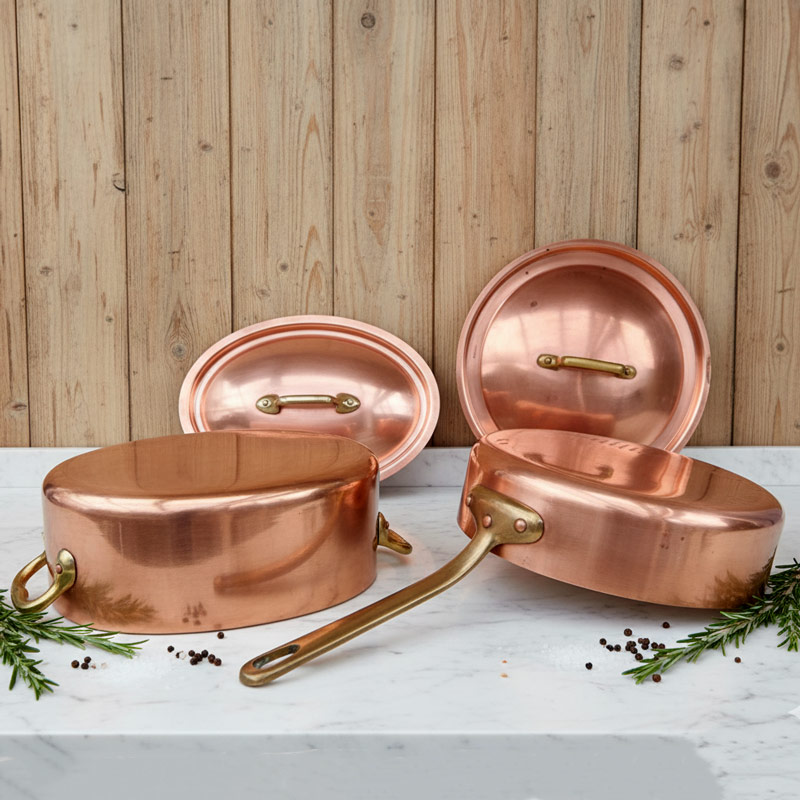
Copper (Cu) is a versatile transition metal (atomic number 29) known for its distinctive reddish-orange color and exceptional thermal and electrical conductivity. It is one of the oldest metals used by humans, with historical use dating back over 10,000 years.
Ductility & Malleability: Copper is highly flexible and can be easily stretched into thin wires or hammered into sheets.
Construction: Primary material for plumbing, roofing, and heat exchangers.
Conductivity: It is the second most conductive metal after silver, making it indispensable for electrical wiring.
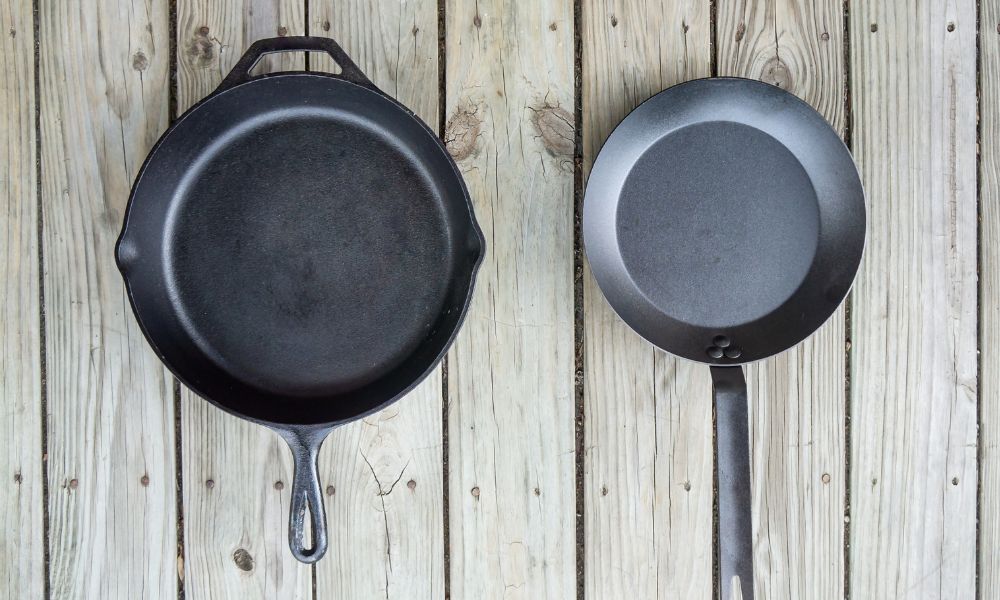
Iron is a crucial and widely used metal known for its strength and versatility. Pure iron appears as a lustrous, silvery-gray metal, though it quickly reacts with oxygen to form iron oxides, commonly known as rust.
Below are images of iron in its pure form, as raw ore, and in various applications such as construction materials and industrial processes.
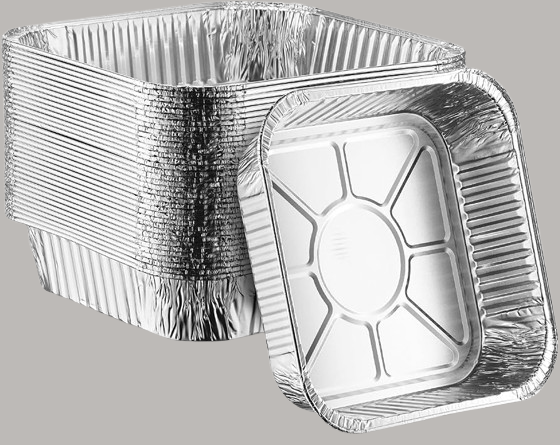
Aluminum (symbol Al, atomic number 13) is the most abundant metal in the Earth’s crust, making up about 8% of its mass. Known for its remarkable lightweight properties and corrosion resistance, it is a cornerstone of modern industry, especially in transportation, packaging, and construction.
Ransportation: Extensively used in aircraft, automobiles, and trains to improve fuel efficiency by reducing vehicle weight.
Technology: Its high thermal conductivity helps dissipate heat in smartphones, laptops, and LED lights.
Recycling: Aluminum is infinitely recyclable. Recycling it requires only 5% of the energy needed for primary production, and nearly 75% of all aluminum ever produced is still in use today.
Nadvaaiethexim International and Export Product, a leading name in global trade, committed to connecting international markets through quality and trust. Founded with a vision to bridge nations with premium products, we proudly serve as a trusted supplier to customers worldwide.
Nadvaaietheximinternational
No 48/6, 3rd Cross, Kudlu Gate, Hosur Road
Bangalore, India
Karnataka – 560068
Email
nadvaaietheximinternational@gmail.com
Mobile Number
080 49516873
+91 9916415161
Copyright @ 2025. Nadvaaiethexim International