
Fabric & Cloth Toys
Cloth Animals
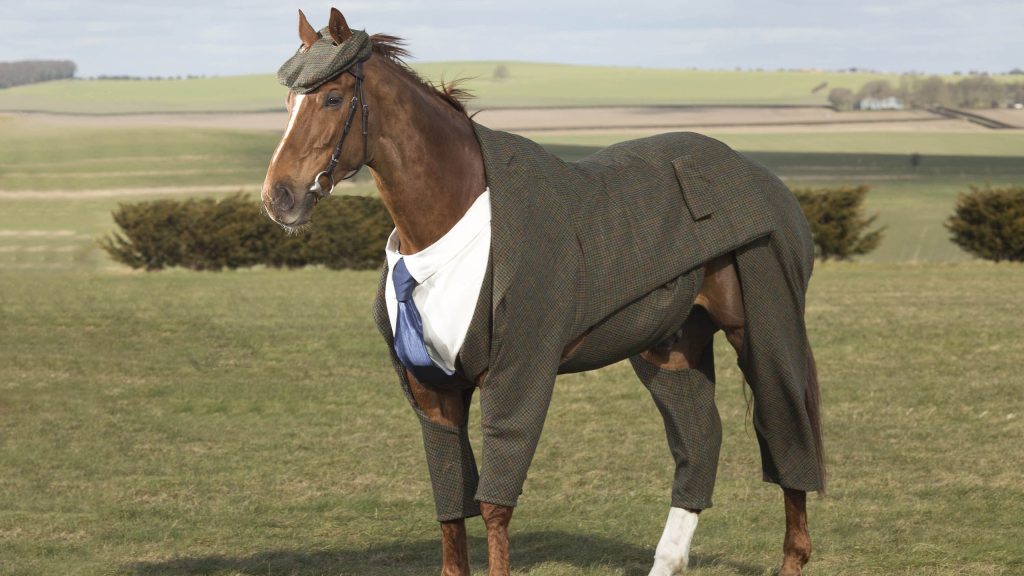
Cloth animals” typically refers to two main concepts: animals used as sources for textile fibers and toys or keepsakes crafted from fabric.
Alpacas & Llamas: Native to South America, they provide lightweight, warm fibers often used in outdoor gear and luxury knitwear.
Plush & Soft Toys: Commercially made “plushies” use pile textiles like plush or fleece and are stuffed with synthetic fibers or pellets.
Animal Welfare: Organizations like PETA highlight cruelty in the wool, fur, and silk industries, advocating for synthetic or plant-based alternatives.
Patchwork Soft Toys
Patchwork soft toys are cuddly companions created by sewing together various pieces of different colored and textured fabrics to form a single, often uniquely patterned, item. They are typically stuffed with flexible materials like polyester fiberfill.
Unique Designs: Each toy often features a one-of-a-kind combination of materials, colors, and patterns, giving it individual character.
Handmade or Manufactured: While many are mass-produced (e.g., sigikid’s Patchworks collection), the style also lends itself to handmade and DIY creations, often utilizing recycled or leftover fabric scraps, which makes them an eco-friendly option.
Washability: Many commercially made patchwork toys are machine washable (on a cold cycle), making them easy to keep clean and hygienic.

Felt Toys
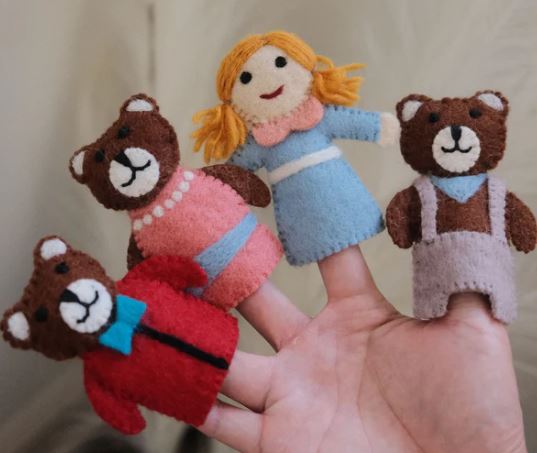
Felt toys are soft, durable toys and educational tools made by matting and compressing natural fibers like wool or synthetic fibers. They are popular for their tactile texture, safety features, and ability to encourage imaginative and sensory play in children.
Natural Felt: Typically made from sheep’s wool (like Merino wool) or other animal fur. This type is prized for being eco-friendly, hypoallergenic, naturally fire-retardant, and having good insulating properties.
Synthetic Felt: Made from synthetic fibers such as polyester or acrylic, which are more affordable and available in a wide range of colors. However, synthetic felt is not biodegradable and can be highly flammable.
Imaginative Play and Creativity: As open-ended toys without lights or sounds, they encourage children to use their imagination, invent stories, and engage in creative, self-directed play.
Rag Dolls
The term “Rag Doll” primarily refers to a traditional type of child’s toy, but it is also the name of a popular cat breed and a television series.A rag doll is a soft-bodied toy traditionally handmade from scraps of fabric and stuffed with materials like cotton, wool, or more fabric pieces.
History: They are among the oldest known children’s toys. Ancient examples have been found in Roman and Egyptian graves dating back to the 1st to 5th centuries AD.
Motanka Dolls: Slavic amulet dolls made by wrapping and tying fabric without needles; they are believed to protect the home.
Temperament: Famous for being “dog-like” or “puppy-cats” because they follow owners from room to room and often go limp (like a toy rag doll) when picked up.