Natural & Eco-friendly Toys
Bamboo
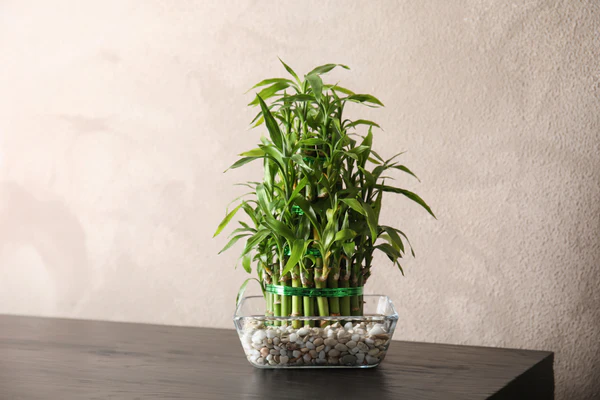
Bamboo is a diverse group of giant, woody grasses belonging to the family Poaceae. Renowned for its versatility and extreme growth rate, it is a critical sustainable resource used globally for everything from construction to food.
Not a Tree: Despite its height and woody appearance, bamboo is technically a grass because it lacks secondary growth (it does not get thicker as it ages).
Rare Flowering: Most bamboo species flower only once every 65 to 120 years. This is often “gregarious flowering,” where all plants of a species worldwide flower and then die at the same time.
Water Conservation: Bamboo acts as a reservoir, collecting water during rainy seasons and returning it to the soil during droughts.
Cane
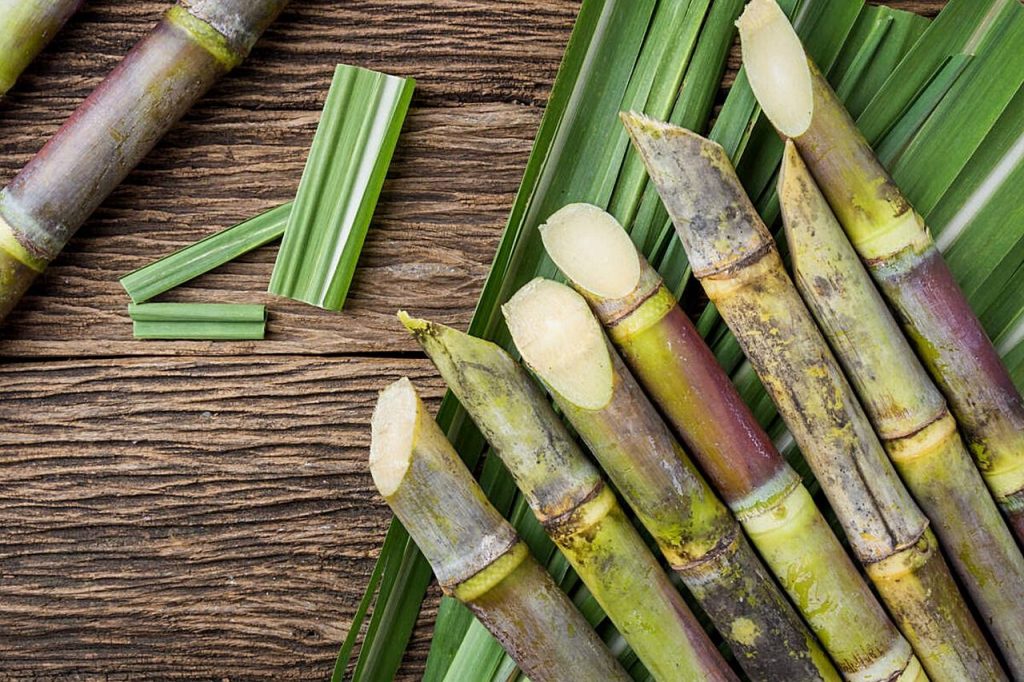
In 2025, the global export trend for cane—specifically sugarcane and its derivatives—is characterized by a significant revival in export volumes from major producers like India and a growing international demand for sustainable and organic cane products.
Brazil remains the world’s dominant producer and exporter, benefiting from favorable exchange rates (strong US dollar vs. Brazilian real) that make its exports highly competitive.
Cane Molasses: India has emerged as the world’s largest exporter of cane molasses, with major shipments to the United Kingdom, Netherlands, and Philippines.
India is the fourth-largest exporter of raw cane sugar globally, with top destinations including Bangladesh, Iraq, Indonesia, and Ethiopia.
Palm Leaf
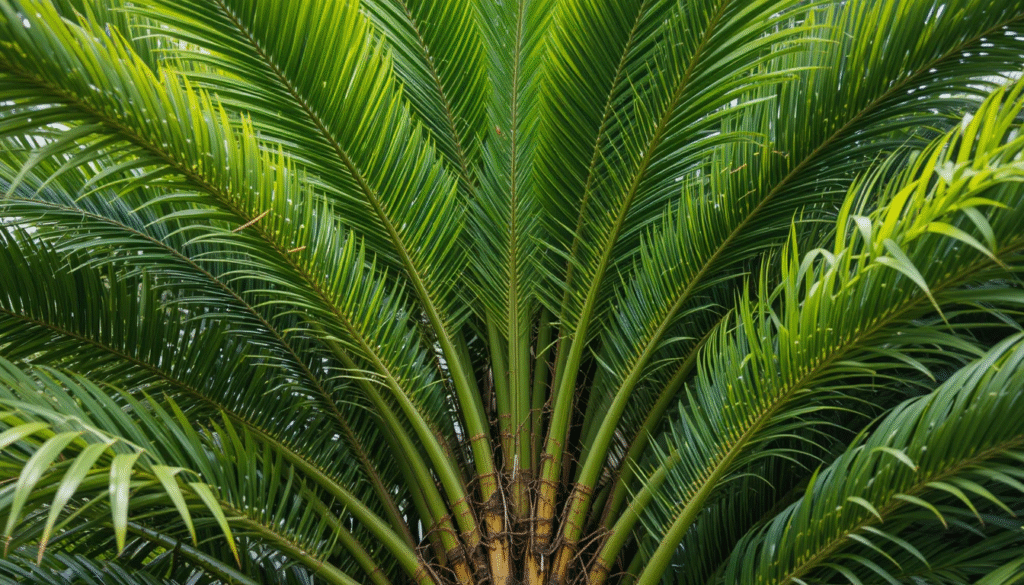
Palm leaves, commonly known as fronds, are the large, typically compound leaves found at the top of palm trees in the family Arecaceae. They are among the largest leaves in the plant kingdom—the Raffia palm (Raphia spp.) can produce fronds up to 25 meters (82 feet) long.
Pinnate (Feather Palms): Leaves with leaflets arranged on either side of a central stem (rachis), resembling a feather. Examples include the coconut and date palm.
Costapalmate: An intermediate form where the leaf is fan-like but has a short central midrib (costa) extending into the blade, often seen in Sabal species.
Handicrafts: Palm leaves are woven into a wide variety of items, including baskets, mats, hats, fans, and boxes.
Coconut Shell
A coconut shell is the hard, protective endocarp of the coconut fruit (Cocos nucifera), located between the fibrous husk (mesocarp) and the edible flesh (endosperm). Historically considered agricultural waste, it is now valued for its durability, high carbon content, and sustainability.
Composition: It is primarily made of lignin (36.5%), cellulose (33.6%), and hemicellulose, giving it strength similar to hardwoods.
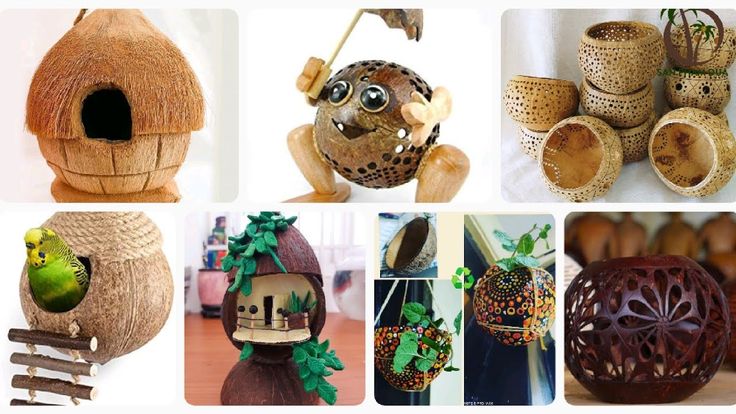
Handicrafts: Artisans (primarily in Kerala, India) carve the shell into bowls, spoons, jewelry, and lamps. These items are often polished with coconut oil or beeswax for a food-safe, glossy finish.
Eco-Friendly: As a 100% biodegradable byproduct of the food industry, using shell products helps reduce plastic waste and supports a circular economy.
Jute
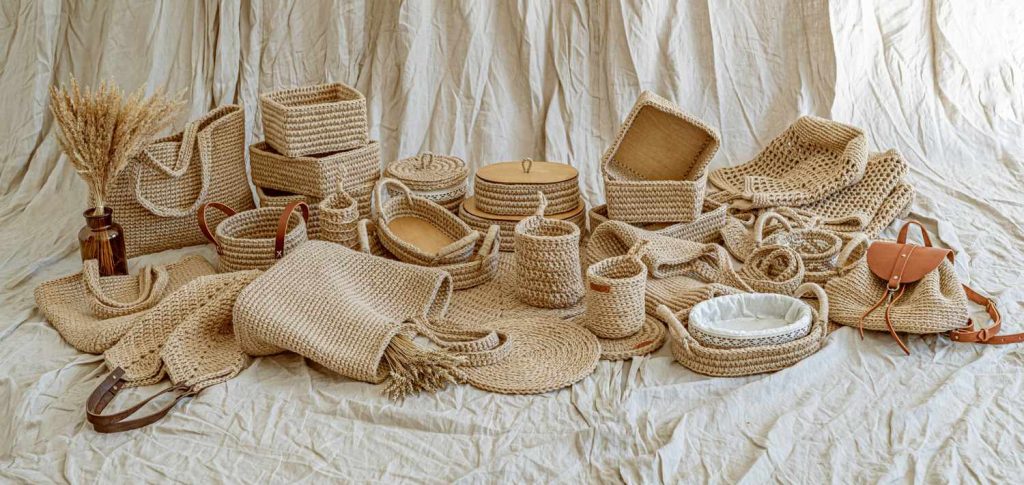
Jute, often called the “Golden Fibre” for its color and high monetary value, is a long, soft, and shiny vegetable fiber produced from plants in the genus Corchorus. It is the second most important natural fiber after cotton in terms of global production and variety of uses.
Appearance: The fibers are typically off-white to brown, ranging from 1 to 4 meters in length.
Process: The fibers are extracted through retting, a process where harvested stems are submerged in water to soften the tissues and separate the fibers from the woody core
100% Biodegradable & Recyclable: It decomposes naturally without harmful by-products.
Cotton Rope
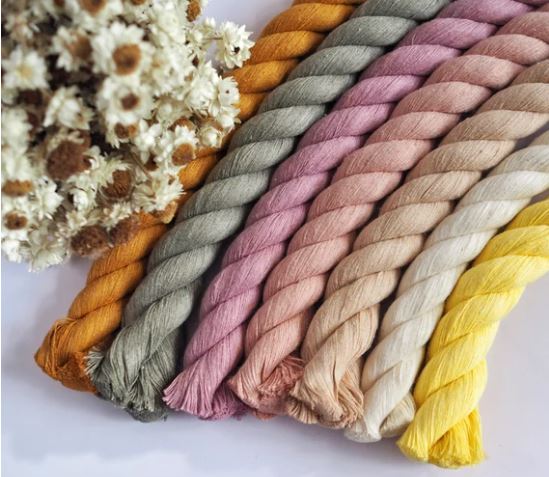
Cotton rope is a soft, natural, and biodegradable material known for its excellent handling and aesthetic appeal, making it a popular choice for arts, crafts, home decor, and pet toys. It is available in various diameters and constructions, such as twisted and braided, to suit different project needs.
Softness and Handling: It is very soft, pliable, and easy on the hands, which means it will not cause rope burn or irritation, making it comfortable to work with for long periods.
Home Decor: Used for decorative purposes such as wrapping lamps bases, creating curtain ties, or as an accent on furniture for a rustic touch.
Outdoor/Camping (Limited): While not ideal for harsh marine environments, some solid braid cotton ropes are used for tent lines or other applications involving exposure to direct sunlight because they have good UV resistance.