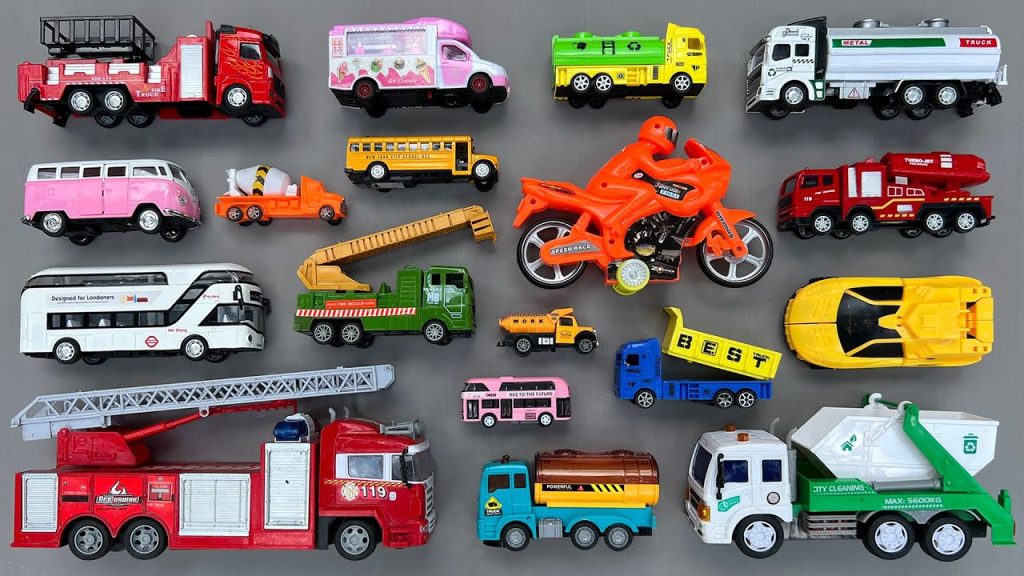


Plastic cars and bikes are available as various types of toys, ranging from small-scale models and push-along toys to large, rechargeable battery-operated ride-ons for children. They come in both simple plastic and hybrid die-cast metal/plastic constructions, suitable for different age groups and uses, including play and collecting.
Plastic toy cars are widely available, from simple push-and-go options for toddlers to detailed scale models for collectors.
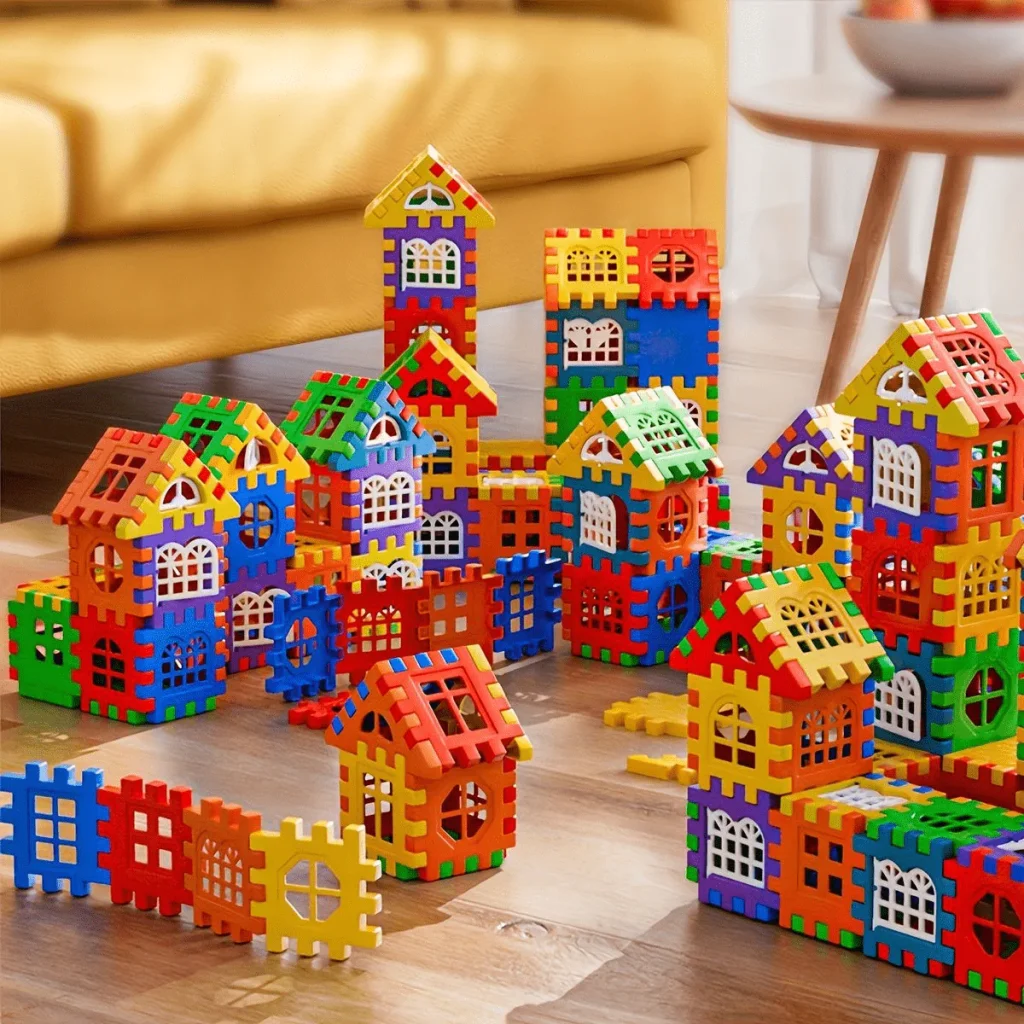
Building blocks” primarily refers to educational construction toys for children, though the term is also used metaphorically to describe fundamental elements in fields like chemistry, architecture, and technology.
Educational Benefits: Experts consider them a “classic” toy for developing fine motor skills, hand-eye coordination, spatial reasoning, and early math concepts like symmetry and fractions.
Chemistry: Molecular fragments or functionalized reagents used to synthesize new drugs or nanomaterials.
Education: Reading, writing, and arithmetic are considered the primary building blocks of a good education.
Plastic cars and bikes are available as various types of toys, ranging from small-scale models and push-along toys to large, rechargeable battery-operated ride-ons for children. They come in both simple plastic and hybrid die-cast metal/plastic constructions, suitable for different age groups and uses, including play and collecting.
Plastic toy cars are widely available, from simple push-and-go options for toddlers to detailed scale models for collectors.
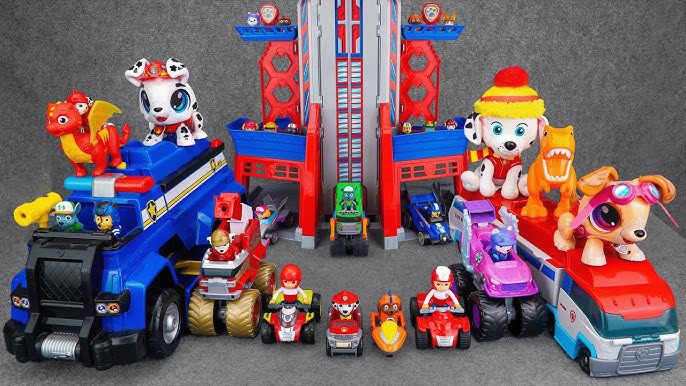
Action figures are poseable character models, typically made of plastic and based on characters from popular media, while playsets are the accompanying environmental structures that serve as the setting for imaginative play.
Fine Motor Skills: Manipulating the figures and their small accessories improves hand-eye coordination and dexterity.
Imagination and Creativity: They encourage children to create their own stories and scenarios, developing narrative skills and creative thinking.
Problem-Solving: Children often encounter and solve “problems” within their imaginative stories, enhancing critical thinking skills.

Nadvaaiethexim International and Export Product, a leading name in global trade, committed to connecting international markets through quality and trust. Founded with a vision to bridge nations with premium products, we proudly serve as a trusted supplier to customers worldwide.
Nadvaaietheximinternational
No 48/6, 3rd Cross, Kudlu Gate, Hosur Road
Bangalore, India
Karnataka – 560068
Email
nadvaaietheximinternational@gmail.com
Mobile Number
080 49516873
+91 9916415161
Copyright @ 2025. Nadvaaiethexim International